A good pass should move the attack forward. A good first touch should keep it moving.
Too often, players skate into space, stop to receive the puck, settle it, then restart before shooting. The skill may look comfortable in a drill, but that pause gives pressure time to arrive.
CONNECT THE PASS TO THE NEXT PLAY
At Euro Elite Hockey Development, we connect passing, receiving and shooting through movement. The goal is to arrive balanced, receive the puck in a useful position and recognize the next option.
Moving your feet does not mean forcing every shot off a full stride. A player may need a glide, an edge adjustment or a change of pace to release effectively. The important detail is staying balanced and available for the play rather than stopping out of habit.
PUCK READY.
Receive with a purpose. Prepare the next action before the puck arrives.
THREE DETAILS TO TRAIN
01 / Pass to where your teammate is going.
Read the receiver’s speed and route. Deliver the puck into a reachable area that lets them continue moving. A pass too far ahead forces a reach; one behind them can interrupt their stride. The receiver helps by showing a clear target and staying available.
02 / Scan, then receive into an option.
Check pressure, support and the shooting lane before the catch. Present your blade and receive with control, keeping your hands free to adjust. Place the first touch where you can use the puck next: shoot, return the pass, carry or protect.
Receiving across your body can be useful, but it is not the answer to every pass. Train both sides and different pass locations so players can adapt without losing balance.
03 / Prepare the shot while the puck is arriving.
Connect your feet, hands and body position to the release. Keep the puck within a comfortable shooting range and avoid adding a stickhandle just to feel ready. Adjust the angle when it creates a lane; shoot when the opportunity is there.
Start at a controllable pace. Add speed once the player can receive and release without reaching, falling away from the shot or losing sight of the play.
WATCH THE DETAIL.
JALEN CHATFIELD.
Jalen Chatfield training with Coach Guido. In this nine-second sequence, watch how his skating, edge changes and puck position connect as he moves around the training obstacles and prepares his finish. The passing progressions below build on this connection between movement and the next play.
- Movement: follow his route and edge changes around the obstacles.
- Puck position: notice how he keeps the puck available as his direction changes.
- Finish: watch how his feet and hands prepare the release while he continues moving.
TRAIN THE CONNECTION.
THEN ADD A DECISION.
Use this progression to connect a pass with movement and a purposeful finish. Adjust space and pace to the group’s level.
- Moving catch and pass. In pairs, skate through a lane while exchanging passes. Show a target, match the pass to the receiver’s route and continue moving after release.
- Receive and shoot. Skate into a pass, receive in a playable position and finish toward a target. Vary the pass location and the approach angle. Coach balance and the first touch before asking for more speed.
- Give-and-go to a finish. Pass to a support player, move into a new lane and receive the return for a shot. The passer must stay involved after moving the puck.
- Read pressure. Add a defender who can close the shooting lane. Let the attacker shoot, protect or pass according to the defender’s position. A blocked lane is a reason to change the play.
- Play 2-on-1. Connect puck-carrier decisions with the supporting player’s timing. Look for a pass that creates an advantage and a receiver ready to use it.
Watch the habit, not only the result.
Did the player scan before receiving? Did the pass preserve the receiver’s movement? Was the first touch useful? Could the player release in balance? A goal is useful feedback, but these details tell you what to coach next.
THE TAKEAWAY
Passing and shooting belong in the same development picture. Train the pass, the moving reception and the next decision together, then add pressure that gives the skill a reason to exist.
Receive in stride. Stay available. Release with purpose.
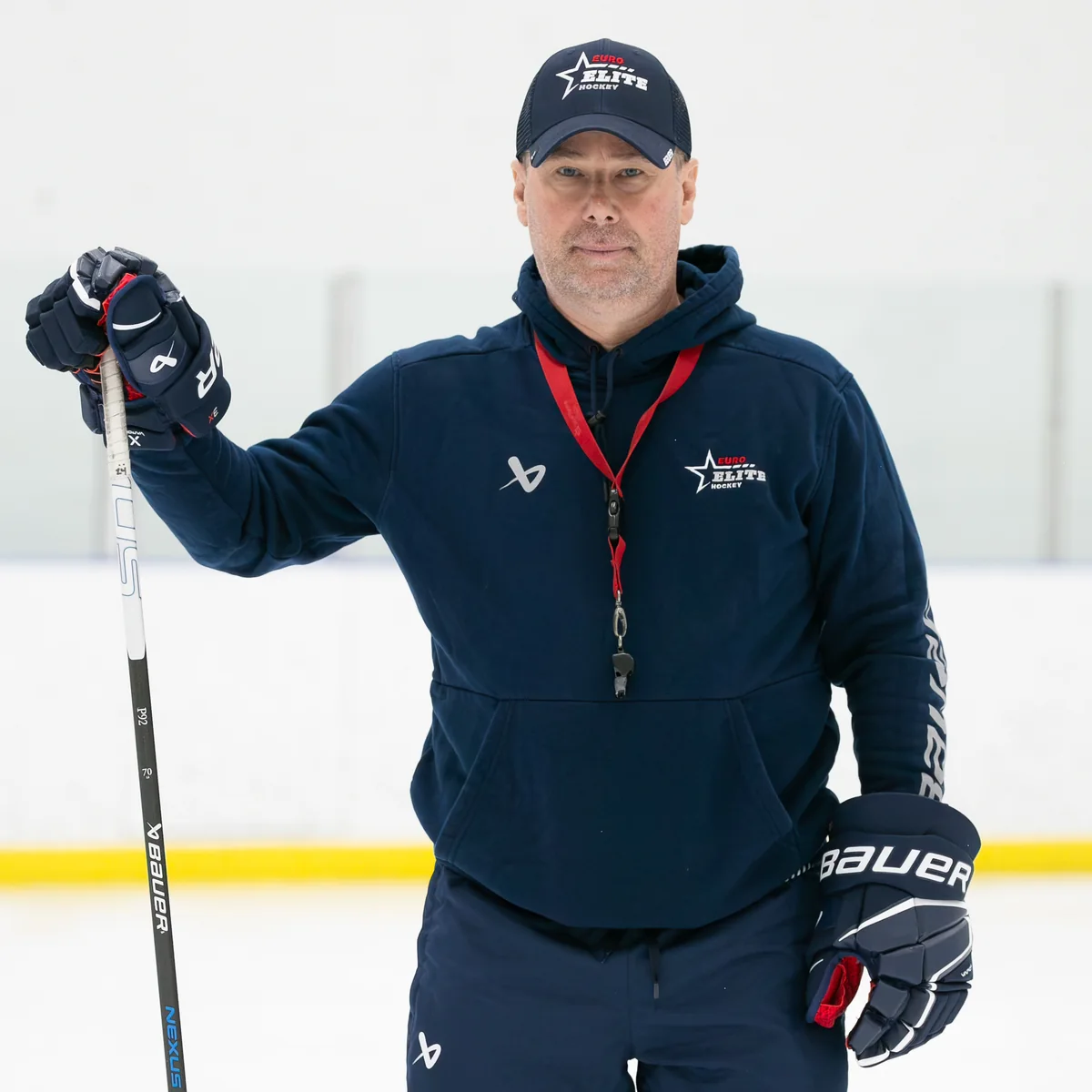
Learn about Guido’s coaching experience, qualifications and approach to player development.
Meet Coach Guido ↗